Professional audio, clearly specified.Plan a system
Company and working method

Behringer, examined at the signal path

The useful story is not a wall of adjectives. It is how an audio product is specified, measured, documented and handed to the person who has to operate it under time pressure.

“Make professional audio tools understandable at the moment a buyer compares channels, loads, routing and room coverage.”

Behringer was founded in 1989. Since 2016, the brand has operated within Music Tribe. These dates provide historical context; they do not replace current model documentation. Every purchase still needs a check of the exact product revision, electrical requirements, connector scheme and intended use.

The brand’s broad catalog serves creators, live-sound crews, small venues, education spaces and installed-audio teams. Breadth is practical when the system is treated as a chain. It becomes confusing when a buyer compares isolated power numbers without coverage, load or routing context.

Review stations

Four views of a usable audio system
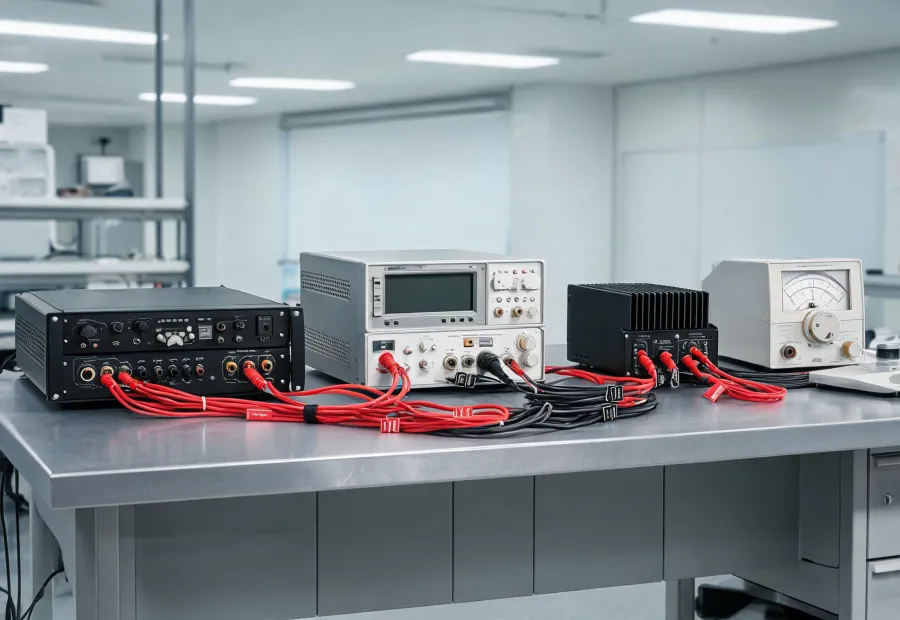
Audio measurement bench with analyzer and amplifier

Electrical measurement

Review nominal 4 or 8 Ω load, amplifier channel allocation, signal level and protection behavior under a controlled test sequence.
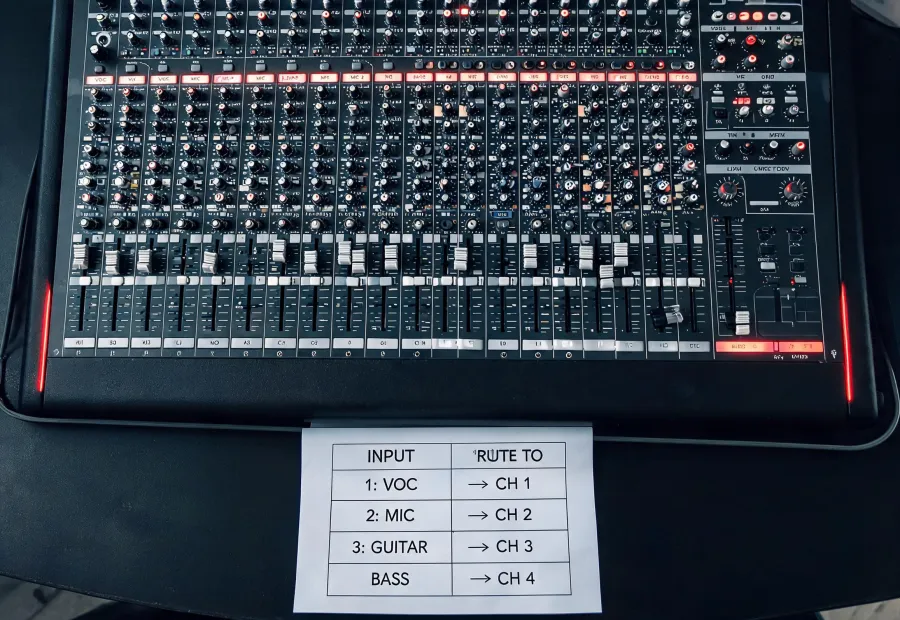
Digital mixing console routing review

Control review

Count physical inputs, USB streams and auxiliary buses; trace every output to its destination before a scene or preset is accepted.
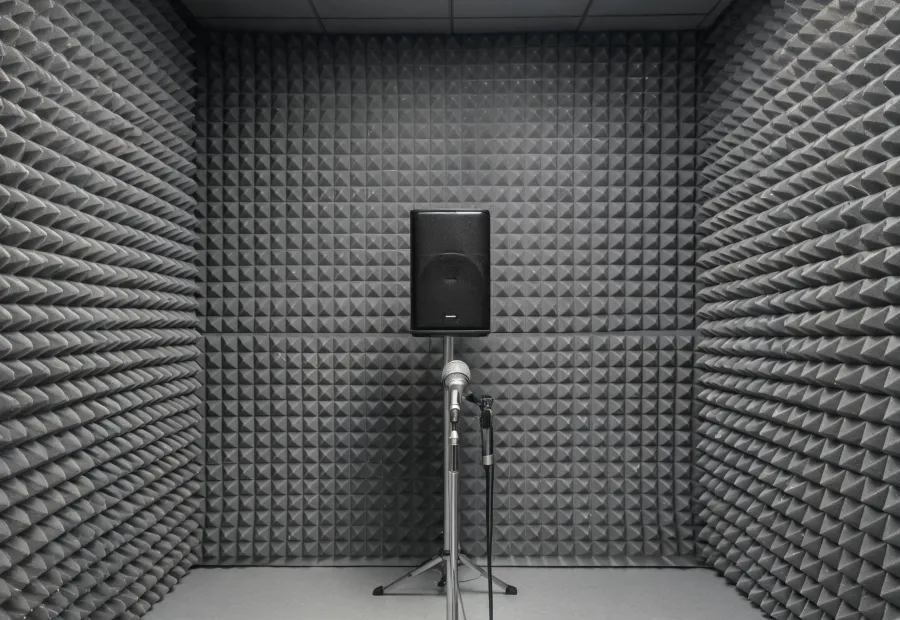
Loudspeaker acoustic measurement in a test room

Acoustic checkpoints

Use a repeatable microphone position to examine response and level. A 95–100 dB speech target or 110 dB-plus music target must be related to distance and duty cycle.

Technician documenting audio rack wiring

Handover evidence

Record patching, firmware, crossover starting point, limiter behavior and startup order so a later fault can be compared with the commissioned state.

Documents that should travel with the system

Availability varies by product and market. Verify the revision code and publication date against the unit in hand.

Model quick-start and safety guide

Connections, ventilation, operating sequence and warnings for the exact hardware revision.

Find support path

Routing and preset record

Input labels, auxiliary assignments, matrices, crossover values and protected output settings.

Prepare record

Commissioning note

Room position, measurement method, representative SPL observations and known environmental limits.

Discuss verification

Ask a question that includes the conditions

Model name, firmware, connected load, room size and intended level give the inquiry a useful starting point.

Contact Behringer